In Chicago, Jesse Jackson developed his court vision that would definitely broaden throughout America
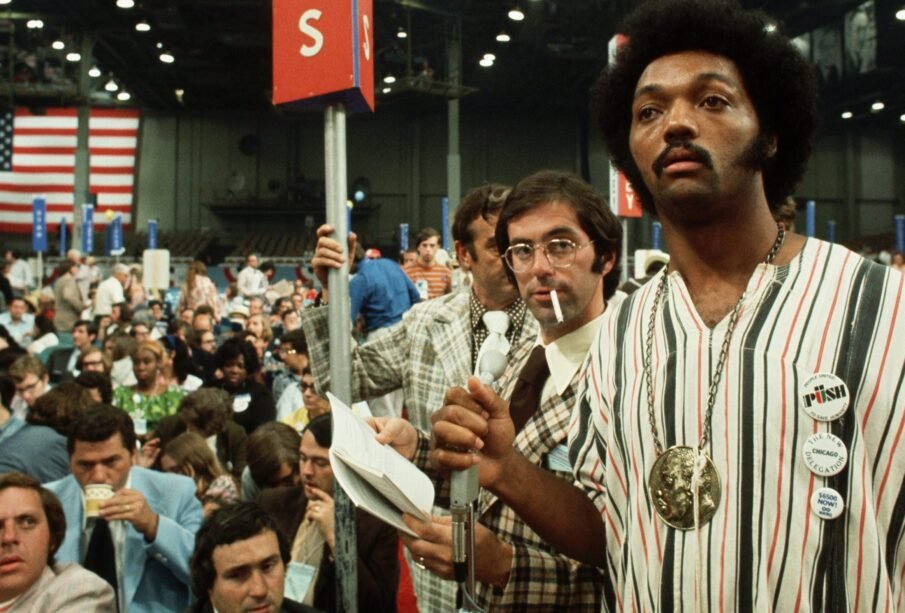
In a reflective tribute to theRev Jesse Jackson, Lonnae O’Neal highlights his long-lasting result on showing off tasks, social equity, and social justice. Jackson’s words at the 1996 NABJ convention, where he praised the Female’s National Basketball Association (WNBA) and recognized the essential function of Title IX, cover his concept that plan alerts opportunity. As a professional athlete and lobbyist, Jackson represented the interconnectedness of showing off tasks and social campaigning for, emphasizing that equity needs to penetrate all degrees, containing collaborating with approaches in professional showing off tasks.
Jackson’s vision for justice went beyond sporting activities, influencing a wide range of problems from labor civil liberties to reasonable property. His Chicago origins created his management, with his companies like Individuals Joined to Serve Humanity (PRESS) coming to be columns for social adjustment. For numerous, containing O’Neal, Jackson was a popular number whose beauty and intelligence created considerable change in the Black location, reverberating with generations that tried to find empowerment and representation.
With narratives shared by colleagues like Michael Wilbon, that directly took advantage of Jackson’s campaigning for throughout his papa’s job fight, the tale highlights Jackson’s unique capacity to search many social strata. His teamwork with numbers like legendary Georgetown trainJohn Thompson Jr and usual assistance for professional athletes like Allen Iverson showcased Jackson’s commitment to boosting marginalized voices.
Jackson’s links with visible civil freedoms and expert athletes leaders, from Muhammad Ali to Jim Brown, revealed his craft at connecting varied areas. He not just supported within showing off tasks yet additionally expanded his impact to handle social injustices. His annual Rainbow/ PRESS Wall Street Job Meeting exhibited his feature as a translator in between the globes of grassroots tasks and elite circles.
Throughout his life, Jackson examined challenges, prompting the need for activity versus tool physical violence and systemic discrimination. His exposure at considerable historical mins, consisting of Harold Washington’s advocate mayor, suggested a broader cumulative fight for depiction and social justice.
As tributes remain to collect, Jackson’s practice remains a statement to the power of advocacy within sporting activities and past. His unwavering dedication to equity has in fact left a long-lasting mark, motivating people to seek equivalent civil liberties and multiply their voices throughout all systems. O’Neal’s representations give an extensive pointer of Jackson’s impact, crafted through the twin lens of sporting activities and campaigning for, seeing to it that his heritage of empowerment lives on in the fabric of American society.